A Walk Through the Countryside
As most of my friends know, I did a great deal of my growing up exploring the out of doors, and that I still spend a lot of time outside. Of course, when I was a small child, I didn't really appreciate all of the open space. It was only when I reached the age of about twelve or thirteen that I began to have an interest in exploring the land. It was also only then that my dad would actually let me go walking on my own with a small rifle, like a 22.
At first I would just set off in the direction of some piece of land that I'd never been before. Which, at the time, was most all of it. But, this didn't form a very accurate picture of the topography in my head, and so most of the time I didn't have a very good idea where I was. If I found a pretty spot, the next time I would try to find it again wouldn't always meet with success. Sometimes I could get so turned around I'd end up walking nearly a half mile in the wrong direction.
So I started looking at maps, and aerial pictures, to get a better idea of the lay of the land. And so by the time I was about seventeen, and after many many days where I spent nearly every hour of daylight out'n'about, I finally formed a complete picture of where everything is. In fact, I'm so familiar with the land, I'd go so far as to say that I know virtually every square yard like the back of- well, you know.
While I'm fortunate that I have plenty of land to enjoy, I'm aware that most people don't have this privilege. Mostly every one I know is no exception either. I've had a few friends ask me to take them exploring, but I'd like to take everybody. So why don't I give you a bit of a walking tour.
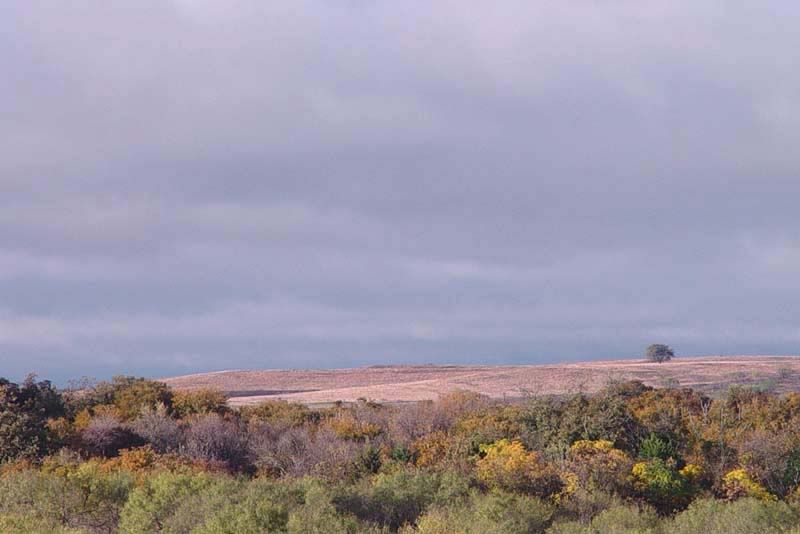 We'll start high in the hills, where it's usually very dry and arid.
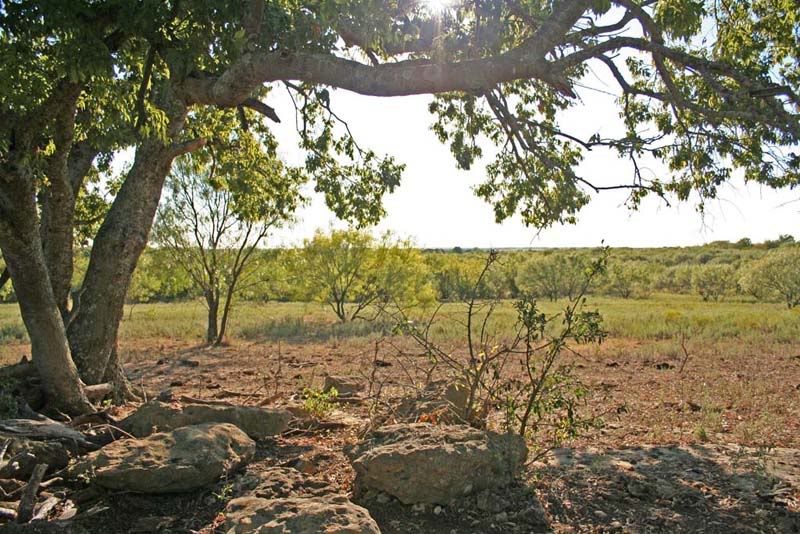 The countryside here abounds with rocks and cactus, and there are not very many large trees.
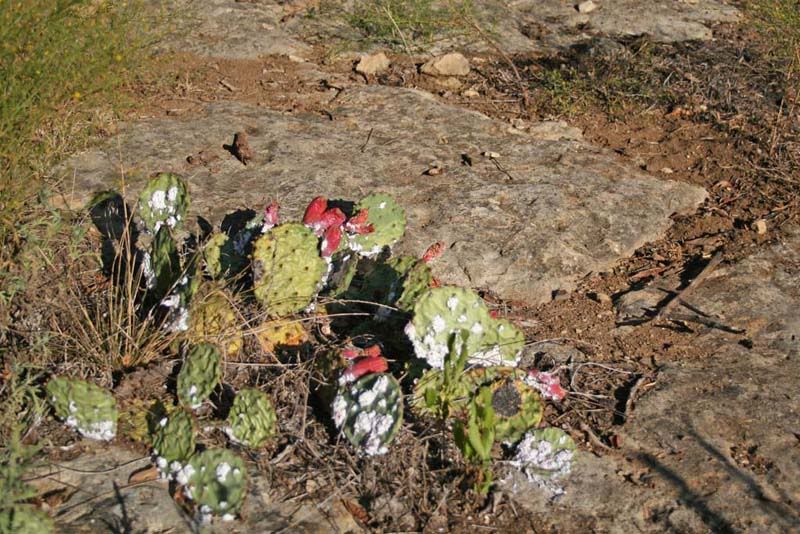
The cactus however, is in fact quite prolific. Large clumps of prickly pare cover some areas.
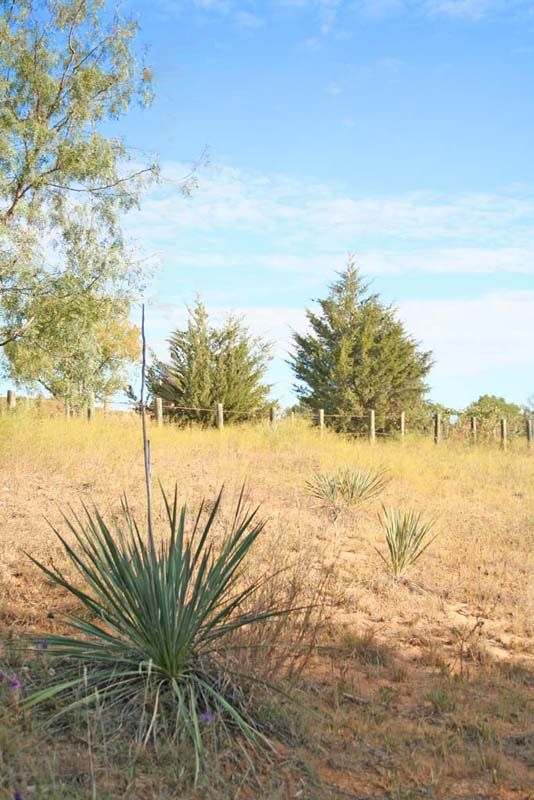
Coming down from the hills there are still some dry, gravely areas dotted with yucca plants.
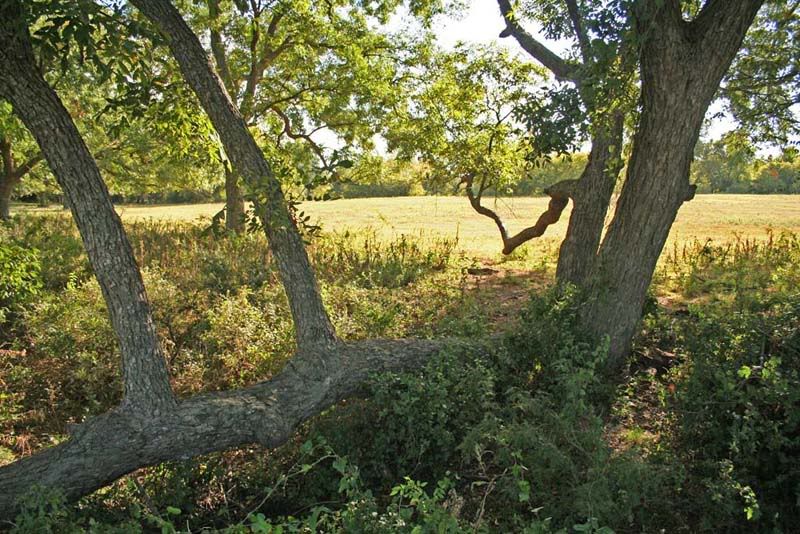
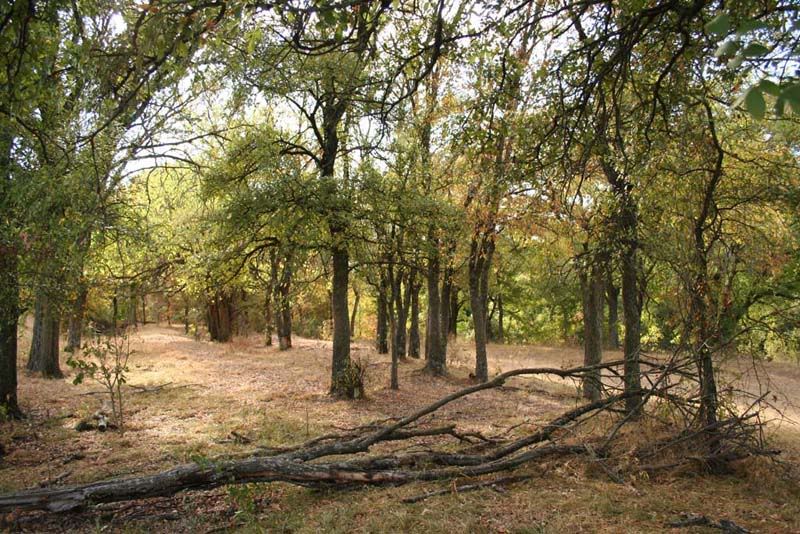
You then begin to get into greener pastures lined with large oak, pecan, cottonwood, elm, and cedar trees.
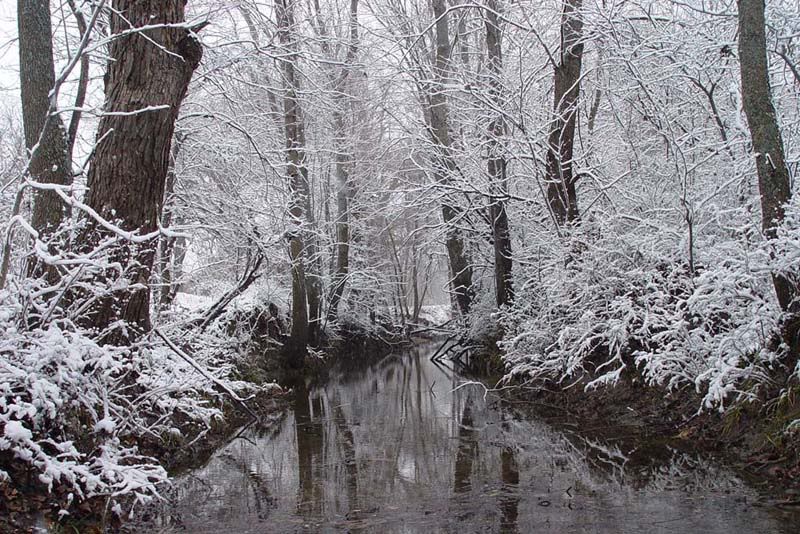
There are even several small streams, which flow steadily in wetter months.
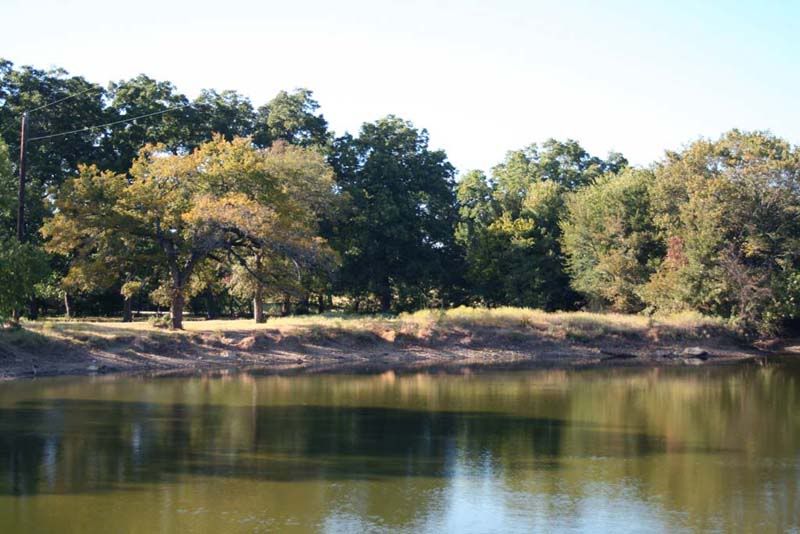
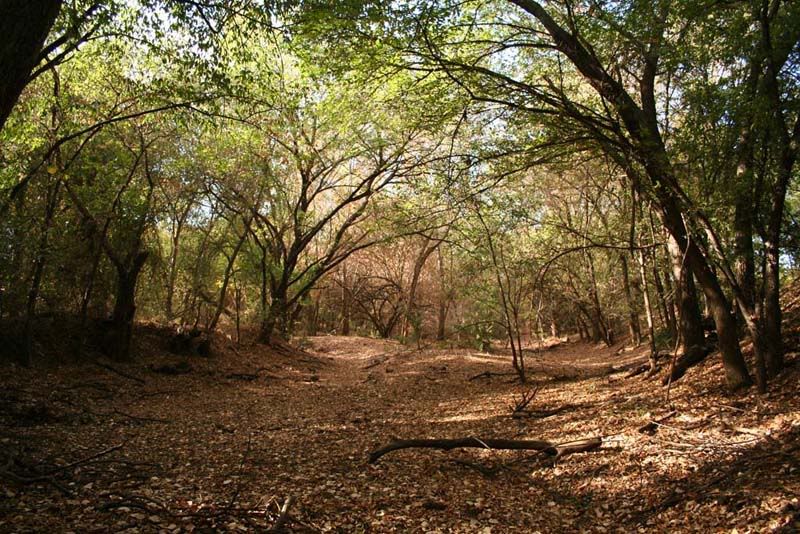
The streams flow through a few low places to form some marshy spots.
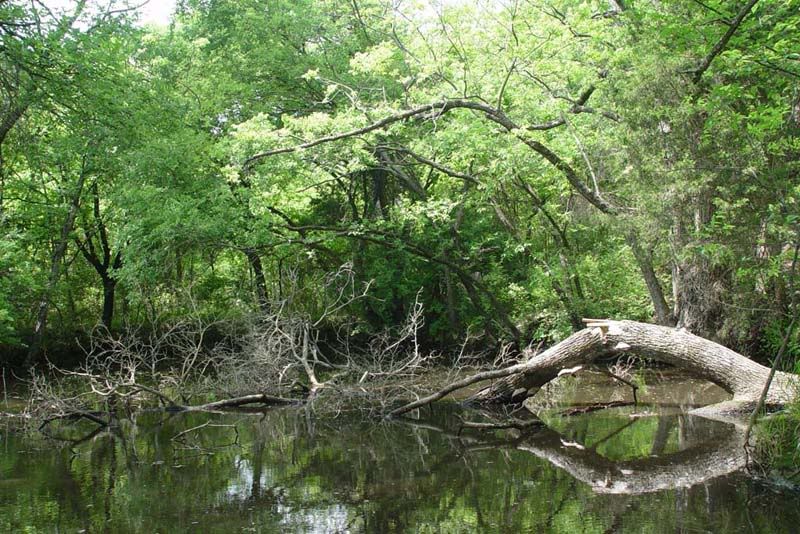
There are a number of these little ponds scattered around.
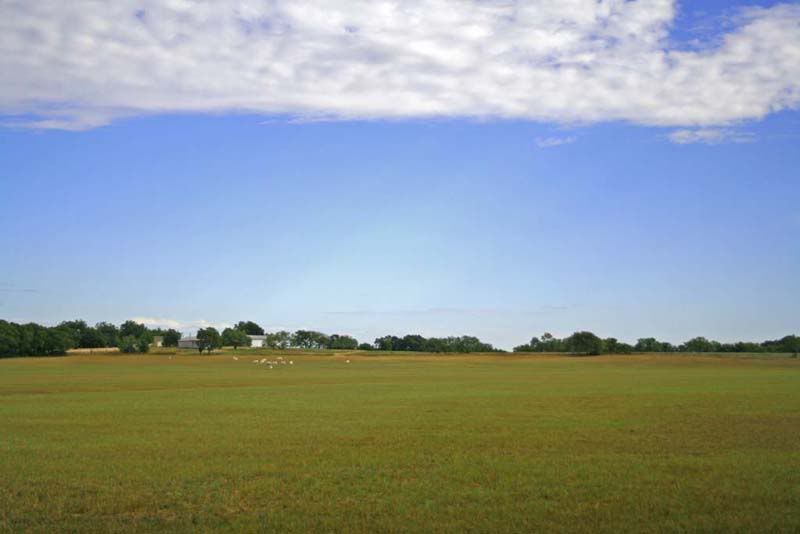
Further down from the hills and trees, you reach the wide and flat hay fields. Most of the time there is not much to look at, other than tall grass.
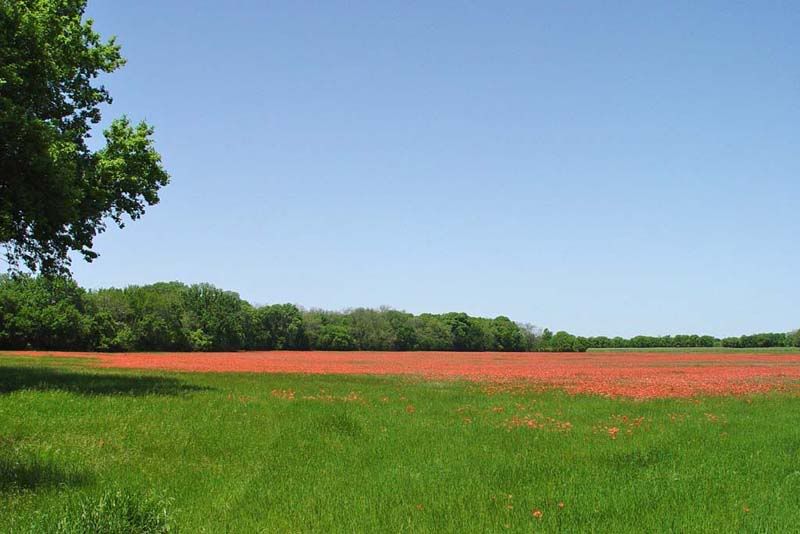
But, in the spring time, the fields explode with paintbrush flowers. Looking down into the fields you see a sea of red.
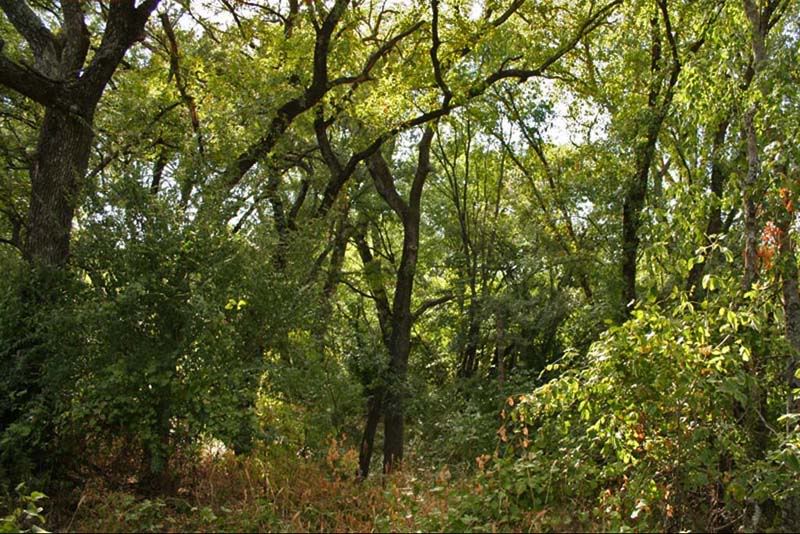 Next to the fields are the deep woods. This is the least traveled area we have because it's the farthest from the house or the roads.
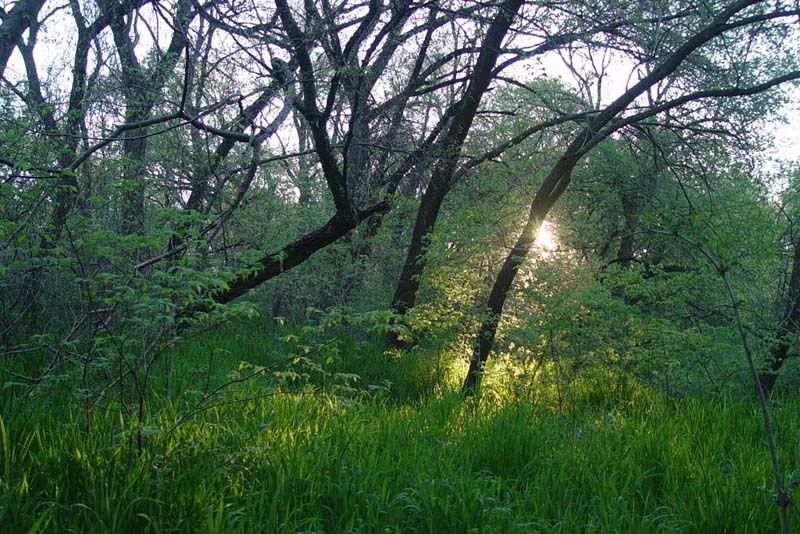
Walking here is best done in the autumn or winter, since in the summer time the briers and brush grow so thick you can hardly place one foot in front of the other. And in the spring the rain makes it a muddy mess to walk in. I still do it though.
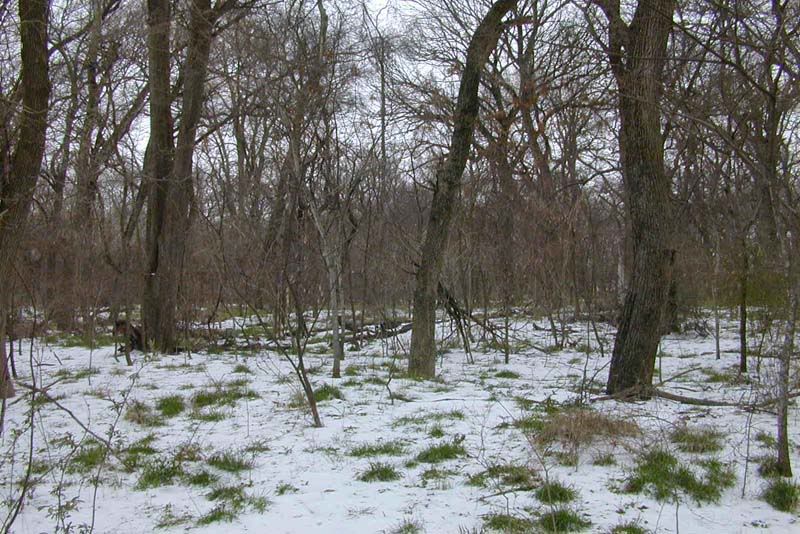
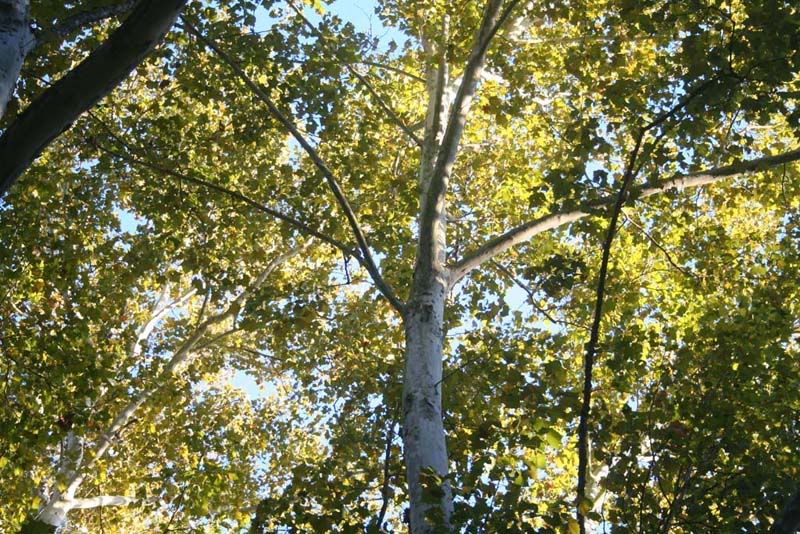
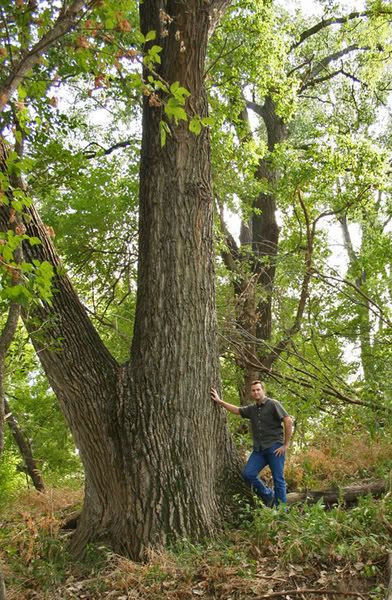
It's here in the woods that we have the big trees. There are two that tie for the biggest, at about 22 feet around. (Yes, I've measured them.) This one is an oak.
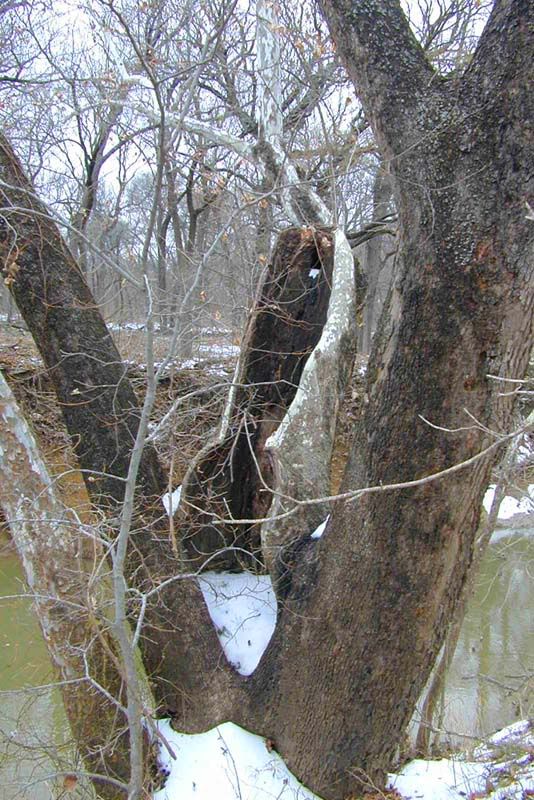
And this one is a cottonwood with a hollow that you could fit two or three people into.
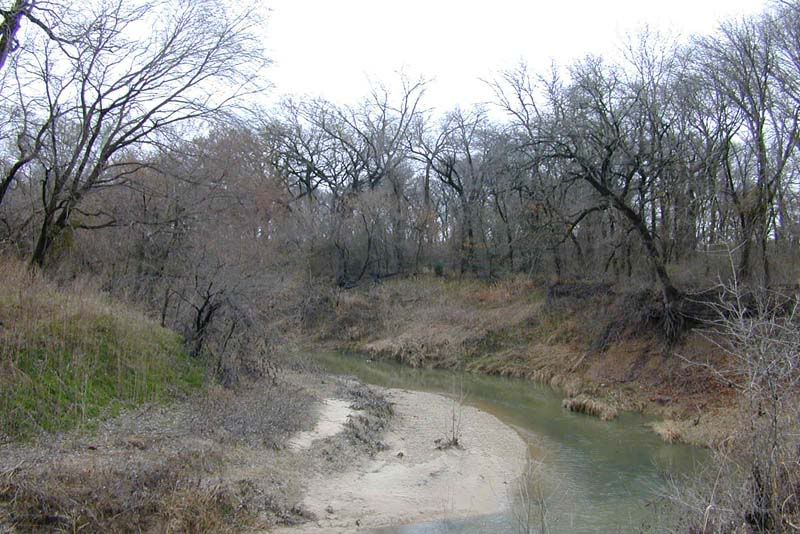
Flowing through the middle of the woods is Clear Creek. Through most of the year the creek flows along nicely, but shrinks to a few stagnate water holes in the summer.
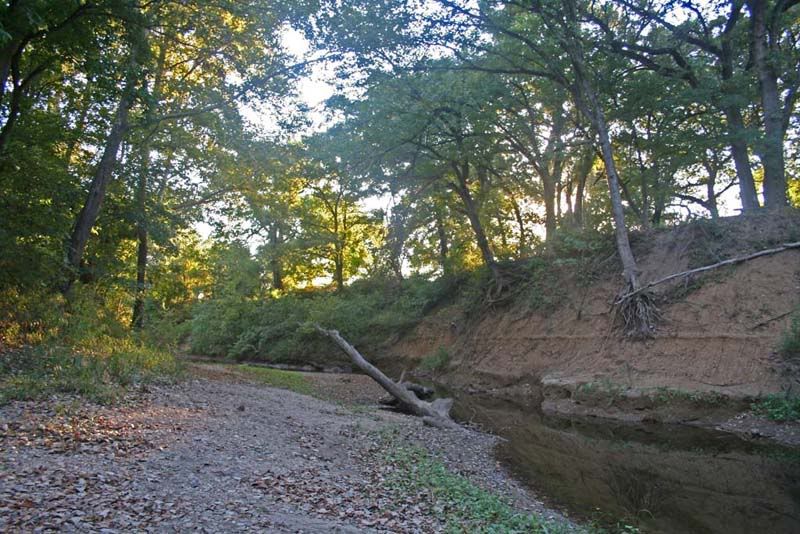
In the spring however, if there is a lot of rain, it can burst it's banks and turn the hay fields into our own personal lakes. (Sorry, no pictures.)
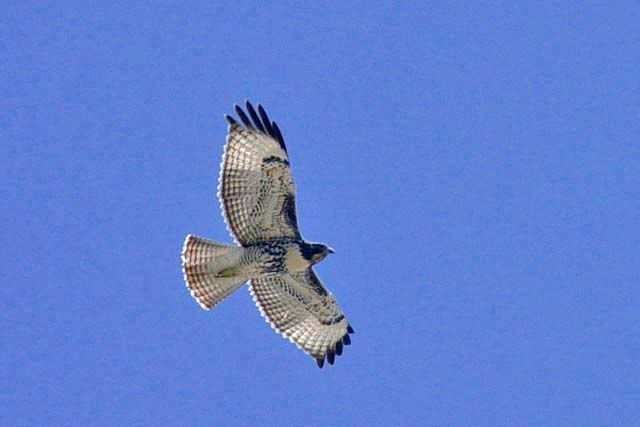
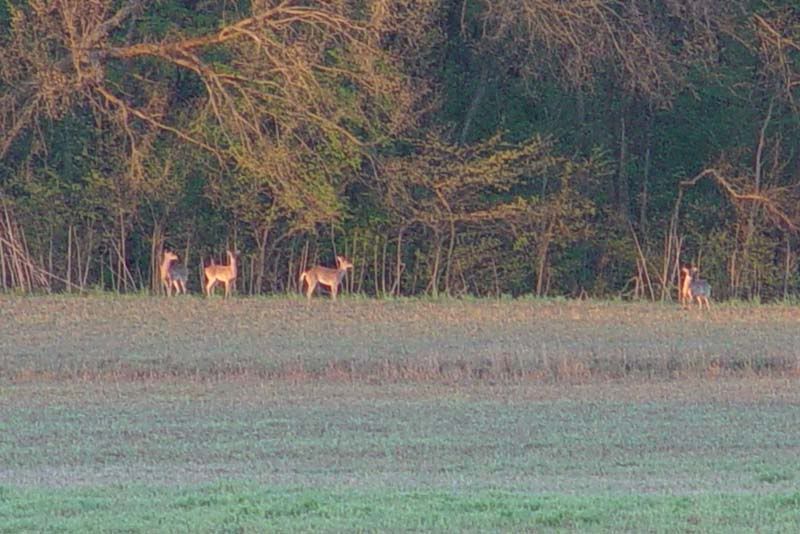
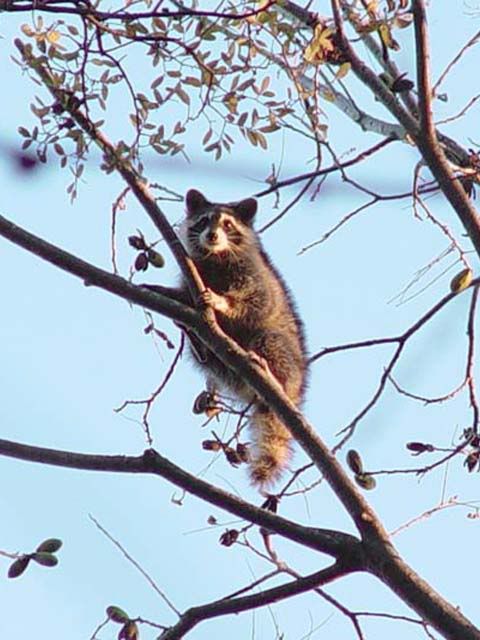 The land is not without is fauna either. Deer, turkey, coyotes, raccoons, armadillos, possums, skunks, beavers, and though they are rare and elusive, bobcats and cougars, are among the many wild animals that are native to the area. Owls and Redtail hawks are also quite common. I even saw an eagle once.
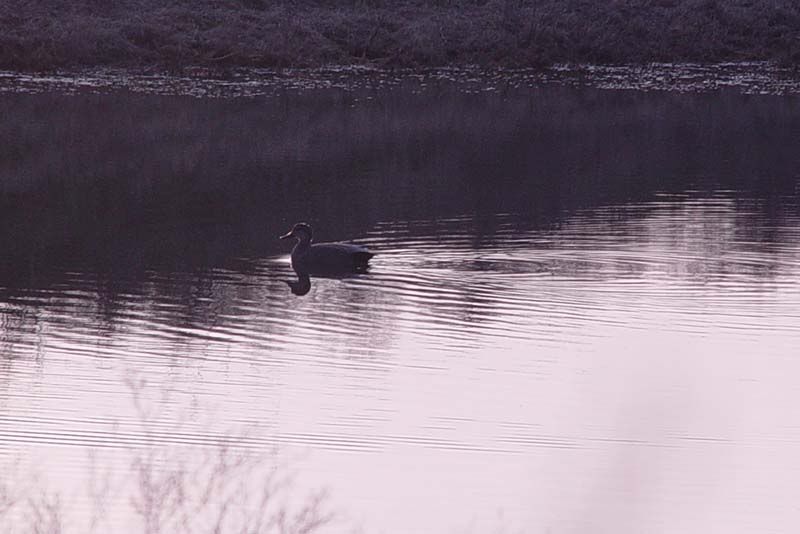
Well I hope you enjoyed my tour and all the pictures. Maybe the next time the city has you feeling run down you can browse these pictures again, enjoy the pretty scenery, and pretend you're here.
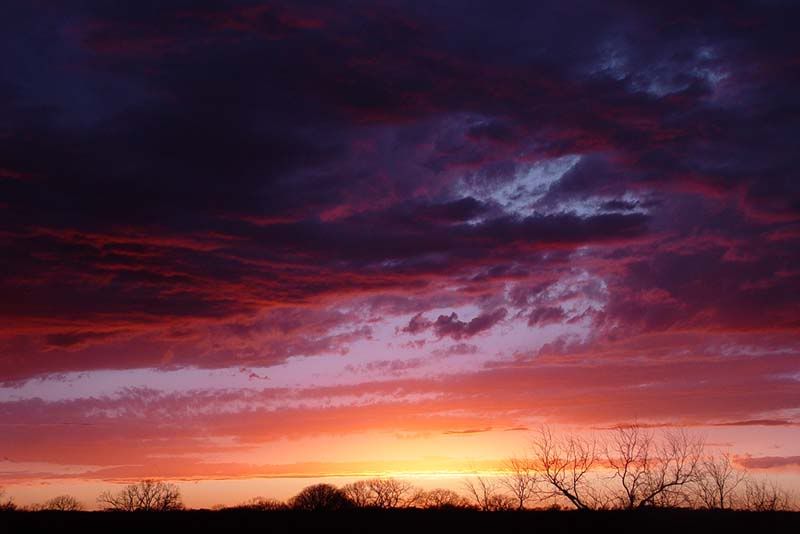
By the way, it's hard to beat a lot of the sunsets we get out here...
At first I would just set off in the direction of some piece of land that I'd never been before. Which, at the time, was most all of it. But, this didn't form a very accurate picture of the topography in my head, and so most of the time I didn't have a very good idea where I was. If I found a pretty spot, the next time I would try to find it again wouldn't always meet with success. Sometimes I could get so turned around I'd end up walking nearly a half mile in the wrong direction.
So I started looking at maps, and aerial pictures, to get a better idea of the lay of the land. And so by the time I was about seventeen, and after many many days where I spent nearly every hour of daylight out'n'about, I finally formed a complete picture of where everything is. In fact, I'm so familiar with the land, I'd go so far as to say that I know virtually every square yard like the back of- well, you know.
While I'm fortunate that I have plenty of land to enjoy, I'm aware that most people don't have this privilege. Mostly every one I know is no exception either. I've had a few friends ask me to take them exploring, but I'd like to take everybody. So why don't I give you a bit of a walking tour.
We'll start high in the hills, where it's usually very dry and arid.The countryside here abounds with rocks and cactus, and there are not very many large trees.The cactus however, is in fact quite prolific. Large clumps of prickly pare cover some areas.
Coming down from the hills there are still some dry, gravely areas dotted with yucca plants.
You then begin to get into greener pastures lined with large oak, pecan, cottonwood, elm, and cedar trees.
There are even several small streams, which flow steadily in wetter months.
The streams flow through a few low places to form some marshy spots.
There are a number of these little ponds scattered around.
Further down from the hills and trees, you reach the wide and flat hay fields. Most of the time there is not much to look at, other than tall grass.
But, in the spring time, the fields explode with paintbrush flowers. Looking down into the fields you see a sea of red.
Next to the fields are the deep woods. This is the least traveled area we have because it's the farthest from the house or the roads.Walking here is best done in the autumn or winter, since in the summer time the briers and brush grow so thick you can hardly place one foot in front of the other. And in the spring the rain makes it a muddy mess to walk in. I still do it though.
It's here in the woods that we have the big trees. There are two that tie for the biggest, at about 22 feet around. (Yes, I've measured them.) This one is an oak.
And this one is a cottonwood with a hollow that you could fit two or three people into.
Flowing through the middle of the woods is Clear Creek. Through most of the year the creek flows along nicely, but shrinks to a few stagnate water holes in the summer.
In the spring however, if there is a lot of rain, it can burst it's banks and turn the hay fields into our own personal lakes. (Sorry, no pictures.)
The land is not without is fauna either. Deer, turkey, coyotes, raccoons, armadillos, possums, skunks, beavers, and though they are rare and elusive, bobcats and cougars, are among the many wild animals that are native to the area. Owls and Redtail hawks are also quite common. I even saw an eagle once.Well I hope you enjoyed my tour and all the pictures. Maybe the next time the city has you feeling run down you can browse these pictures again, enjoy the pretty scenery, and pretend you're here.
By the way, it's hard to beat a lot of the sunsets we get out here...
posted by Daniel at
10/14/2005 05:00:00 PM


2 Comments:
My my, thank you very much! I like that one too.
It's not black & white though...
Winter pictures just tend to look that way.
Dan-
These pictures are BEAUTIFUL. You have a talent for photography that you shouldn't ignore.
These pics are so pretty, they don't even look like Texas. ;-P
You made me look at the farm with new eyes.
Thank you.
Emily
Post a Comment
Subscribe to Post Comments [Atom]
<< Home